
Find answers to frequently asked questions about our plumbing
Frequently Asked Question
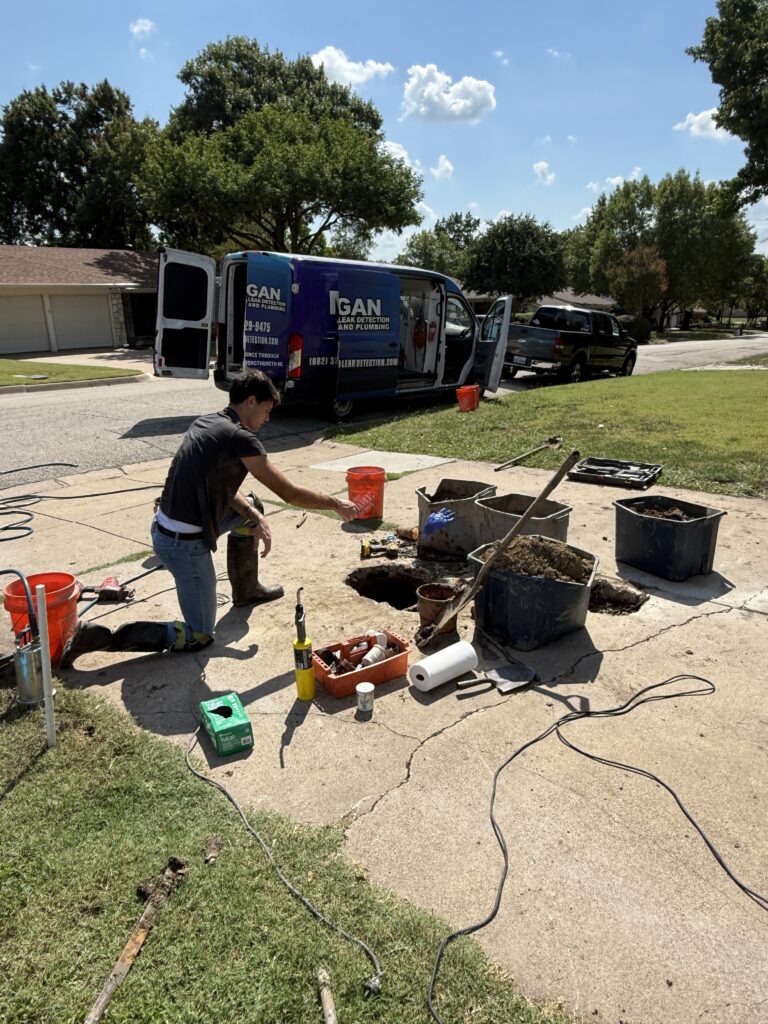
Fort Worth & DFW Metroplex Leak Detection Experts Serving in Fort Worth, Arlington, Grand Prairie, and the Greater DFW Metroplex.
Fort Worth & DFW Metroplex Leak Detection Experts
Serving in Fort Worth, Arlington, Grand Prairie, and the Greater DFW Metroplex.
At Morgan Leak Detection & Plumbing, we get a lot of the same questions from homeowners who just want clear answers without the runaround. Below you’ll find straightforward explanations, expert tips, and signs to look for if you suspect a leak. Everything here is written to the Master Plumber standard — no fluff, no guessing, just facts.
Common Signs You May Have a Hidden Leak
Leaks don’t always show themselves right away. Here’s what to watch for:
- Damp or discolored patches on ceilings, walls, or floors.
- Wet spots on the driveway or lawn when the weather’s been dry.
- Sudden drop in water pressure.
- The sound of running water when nothing’s on.
- Visible mold or mildew growth.
Morgan Insight: If you notice one or more of these, don’t wait. Small leaks can become foundation damage fast, especially in clay-rich North Texas soil.
What Causes a Slab Leak?
Slab leaks can occur for a few reasons:
- Corrosion or chemical reaction between metal pipes and the soil.
- Faulty installation or poor construction.
- Abrasion from pipe movement against concrete.
- Shifting, expanding, or contracting soil beneath the foundation.
Morgan Insight: Texas soil expands when wet and contracts when dry — that movement stresses plumbing. That’s why slab leaks are more common in our region than most others.
How Do You Fix Freshwater Leaks Under Slabs?
Most freshwater leaks can be repaired using rerouting or bypassing techniques.
Rerouting avoids breaking through the slab by rerouting water lines through walls or attics instead of under the concrete.
This method:
- Is less invasive and cleaner.
- Prevents future leaks in aging under-slab pipes.
- Preserves your home’s structure and flooring.
Our Specialty: Morgan Leak Detection uses precision rerouting — the least invasive method possible — to fix leaks quickly and permanently.
What Are My Options for Drain Repairs?
There are three primary repair options, depending on location and severity:
- Tunneling: Access from underneath without breaking the floor.
- Rerouting: Bypassing the damaged section entirely.
- Jackhammering: Cutting directly through the slab (our last resort).
Morgan Insight: We always aim for the least invasive method that meets code and keeps your home intact.
How Do I Know If I Have a Slab Leak?
Six warning signs that you might have a costly slab leak:
- Hot spots on your floor.
- Unexplained spikes in your water bill.
- Sound of water running when all fixtures are off.
- Floors warping or planks lifting.
- Mold under carpets or baseboards.
- Water pooling around your home’s foundation.
If you suspect any of these, shut off your main water supply and call us for a same-day inspection.
Why Is My Water Bill So High?
A sudden jump in your water bill can be caused by:
- Leaking faucets or toilets.
- Leaky pipes or irrigation systems.
- Outdated or inefficient fixtures.
- Hidden slab leaks.
Morgan Insight: The water meter is your friend. If the dial moves when nothing’s on, you likely have a hidden leak.
How Much Does It Cost to Repair a Slab Leak?
Costs vary by location and method:
- Spot repairs: $500–$2,000 (cutting concrete locally).
- Tunneling or rerouting: $2,000–$8,000 depending on scope and materials.
- Full repipe: May cost more up front but often prevents repeat leaks.
Morgan Insight: The cheapest fix is rarely the best fix. Our goal is always to give you a permanent solution, not a patch.
Will Homeowners Insurance Cover Slab Leak Repairs?
It depends on your policy. Most cover resulting damage (like flooring or drywall) if the leak was sudden and accidental. Many don’t cover the plumbing repair itself.
Tip: We’ll help you document the issue for your insurance provider — including photos and reports from licensed techs.
How Can I Prevent Slab Leaks?
You can’t control Texas soil, but you can reduce risk:
Keep water pressure under 80 psi.
- Use corrosion-resistant materials like PEX or copper.
- Maintain steady soil moisture around your home.
- Schedule annual plumbing inspections.
- Avoid deep-rooted trees near your foundation.
What’s the Difference Between Repiping and Rerouting?
- Repiping: Removing and replacing old lines throughout the home.
- Rerouting: Capping the old under-slab lines and running new ones above the slab.
Morgan Insight: Rerouting often offers the best long-term protection without tearing up your floors.
What Happens If I Ignore a Slab Leak?
Ignoring it can lead to:
Foundation collapse.
- Floor damage and warping.
- Mold growth from excess moisture.
- Skyrocketing utility bills.
Bottom Line: A slab leak never fixes itself. The longer it runs, the more damage it does.
How Do I Find My Home’s Main Water Shutoff Valve?
- Inside, on a wall facing the street.
- Outside near your curb under a metal or plastic lid marked “water.”
- In warmer areas, near an exterior faucet or your well pump.
Morgan Tip: Know this location before an emergency hits. It can save you thousands in damage.
What Plumbing Issues Should I Check Before Buying a Home?
- Water Heater: Ask when it was last flushed and inspect the anode rod.
- Sewer System: Confirm whether the home uses a municipal or septic system.
- Leak Inspection: Have a licensed plumber perform a water meter leak test before closing.
What Do Plumbers Use for Leak Detection?
- We use industry-grade, non-invasive tools:
Acoustic listening devices. - Infrared heat scanners.
- Video pipe inspection cameras.
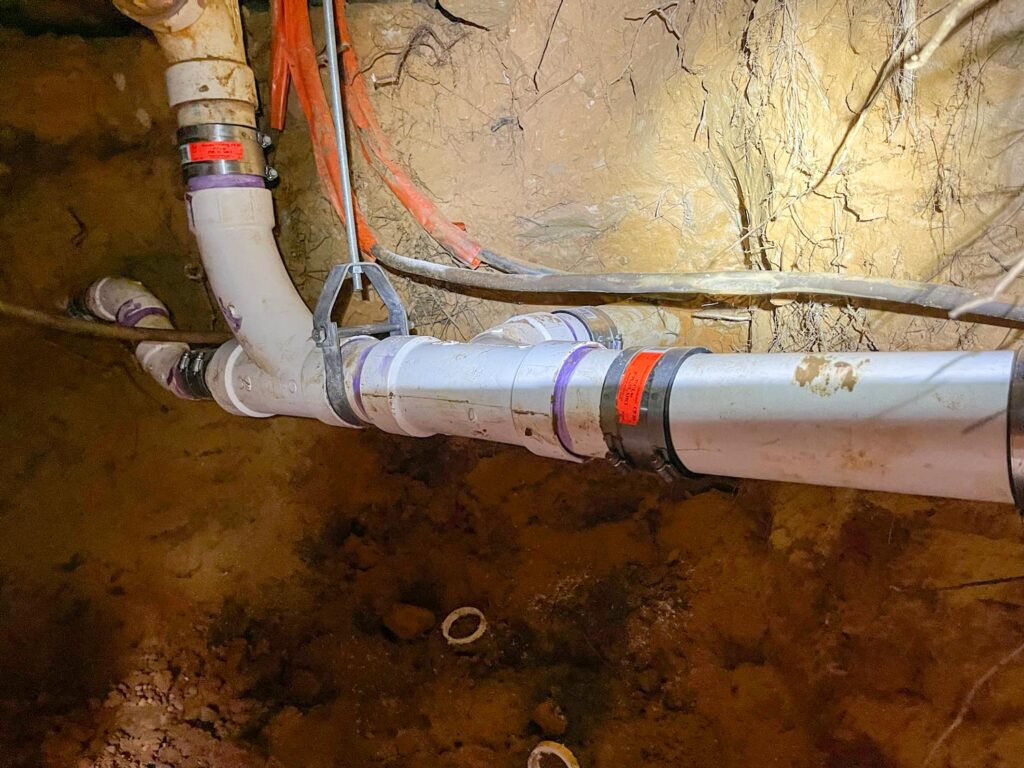
These help us pinpoint leaks without unnecessary digging.
Why Are Slab Leaks So Common in Texas?
Because of expansive clay soils, foundation movement, and shifting moisture levels. As the soil expands and contracts, the slab and plumbing move with it — leading to pipe stress and cracks.
Morgan Insight: We’ve been handling Texas soil challenges for over 30 years. There’s no substitute for local experience.
What Can I Do If I Keep Running Out of Hot Water?
We recommend a tankless water heater — especially Navien models:
- Endless hot water.
- Energy efficient.
- Longer lifespan.
Final Thought — The Master Plumber Standard
When it comes to your home, do it right the first time.
Morgan Leak Detection & Plumbing delivers licensed, guaranteed work across Fort Worth, Arlington, and the DFW Metroplex, specializing in non-invasive slab leak repair and rerouting solutions that keep your foundation intact and your family safe.
Free estimates available.